“Pro bono is obviously legal work, but it’s also legal advocacy. When you take on a pro bono case you can really see how being an advocate for people—who may not have the support systems they need—can make such a big difference in their lives.” – Stephanie Calnan, Associate, Brown Rudnick LLP
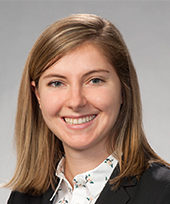
Attorney Stephanie Calnan, an associate at Brown Rudnick LLP, first met Philip* at one of the Clearinghouse’s Legal Clinics at Bridge, a Boston-based shelter for homeless and at-risk youth.
At the time, Philip was 17, estranged from much of his family, and living at Bridge. He had recently lost his wallet—which he suspected had been stolen—containing all of his identification cards and his green card. Philip needed a federal ID in order to get a new state ID, so Stephanie decided to focus on acquiring a new green card first.
While preparing to request a new green card for Philip, Stephanie conferred with clinic mentor Heather Friedman, an expert in immigration law. Heather told Stephanie to look into the possibility that Philip actually had derived citizenship through his father, who was a naturalized citizen. Derived citizenship occurs automatically, but Philip needed to provide Immigration and Naturalization Services with a number of documents, including his original birth certificate, to make it official.
Philip’s grandmother was able to procure his birth certificate on a trip to Haiti, and Philip patched up his relationship with his father, who provided additional necessary documents. In the meantime, Stephanie filed a Freedom of Information Act request for further information on Philip’s father’s immigration status.
It turned out Philip was a naturalized citizen and, in early 2019, over a year after they first met, Stephanie handed him his official U.S. Passport. Philip was thrilled; he never could have expected that a lost wallet would lead to such a fortuitous outcome.
*Name has been changed to protect privacy.